Ordering garden tools from China can boost your business margins when you know how to go about it.
There are several potential pitfalls that could cost you thousands of dollars and months of delays otherwise.
If you’re a garden center owner, a hardware retailer, or anyone looking to stock garden tools cost-effectively, this post is for you.
We’ll walk you through some expensive mistakes that can happen while sourcing garden tools from China, so you don’t make them (And the steps you can take to avoid these mistakes).
Let’s dive in.
Mistake 1: Not Verifying Supplier Credentials and Factory Capabilities
Probably the biggest mistake happens before you even place an order. Failing to verify who you’re buying from can prove to be costly.
Marketplaces like Alibaba give you access to hundreds of suppliers offering similar products at competitive prices.
But that doesn’t guarantee manufacturing capabilities and long-term business stability.
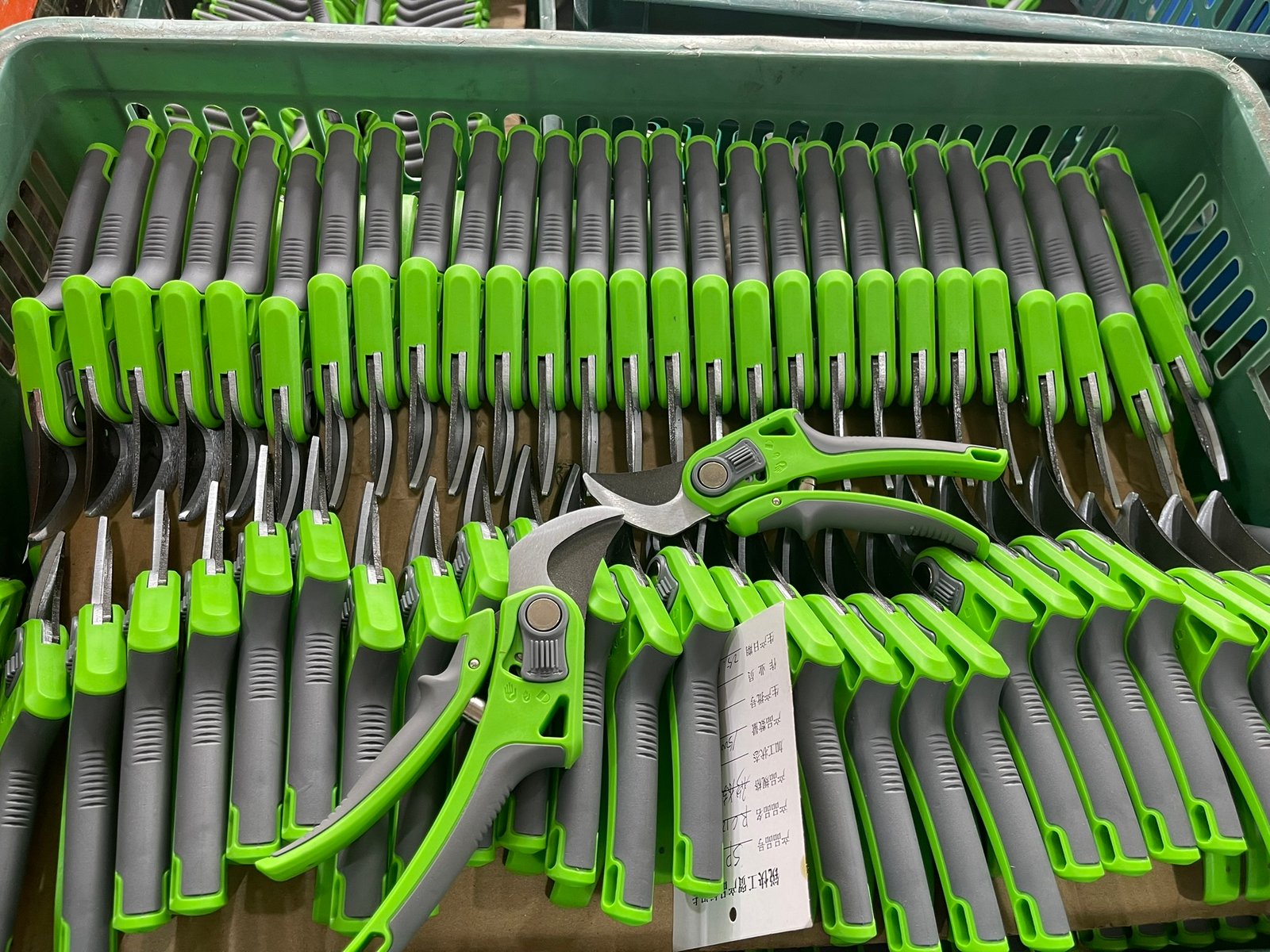
You can easily end up working with trading companies, adding unnecessary markup to your orders without proper quality control.
So, verify supplier credentials through multiple channels before moving forward with a contract. Request business licenses, factory certifications, and production facility photos.
Also, look at their past client references on their website. See what other buyers have to say about that business.
Mistake 2: Focusing Only on Price Instead of Total Landed Cost
Don’t ignore the total landed cost of getting products to your warehouse.
A supplier quoting $7.5 per pruning shear may seem a better option than one quoting $8.0. But once you factor in the shipping terms, quality issues, customs duties, and payment fees, the cheaper supplier may become more expensive.
Your total landed cost includes product price, international shipping, customs duties and taxes, payment processing, quality control, and the cost of potential delays or defects.
Start by understanding different shipping terms to make accurate cost comparisons yourself. The difference between FOB and FCA shipping arrangements impacts who pays for what and where risk transfers.
Similarly, knowing when to use FCL versus LCL shipping based on your order volume prevents overpaying for freight.
Mistake 3: Accepting Vague Product Specifications
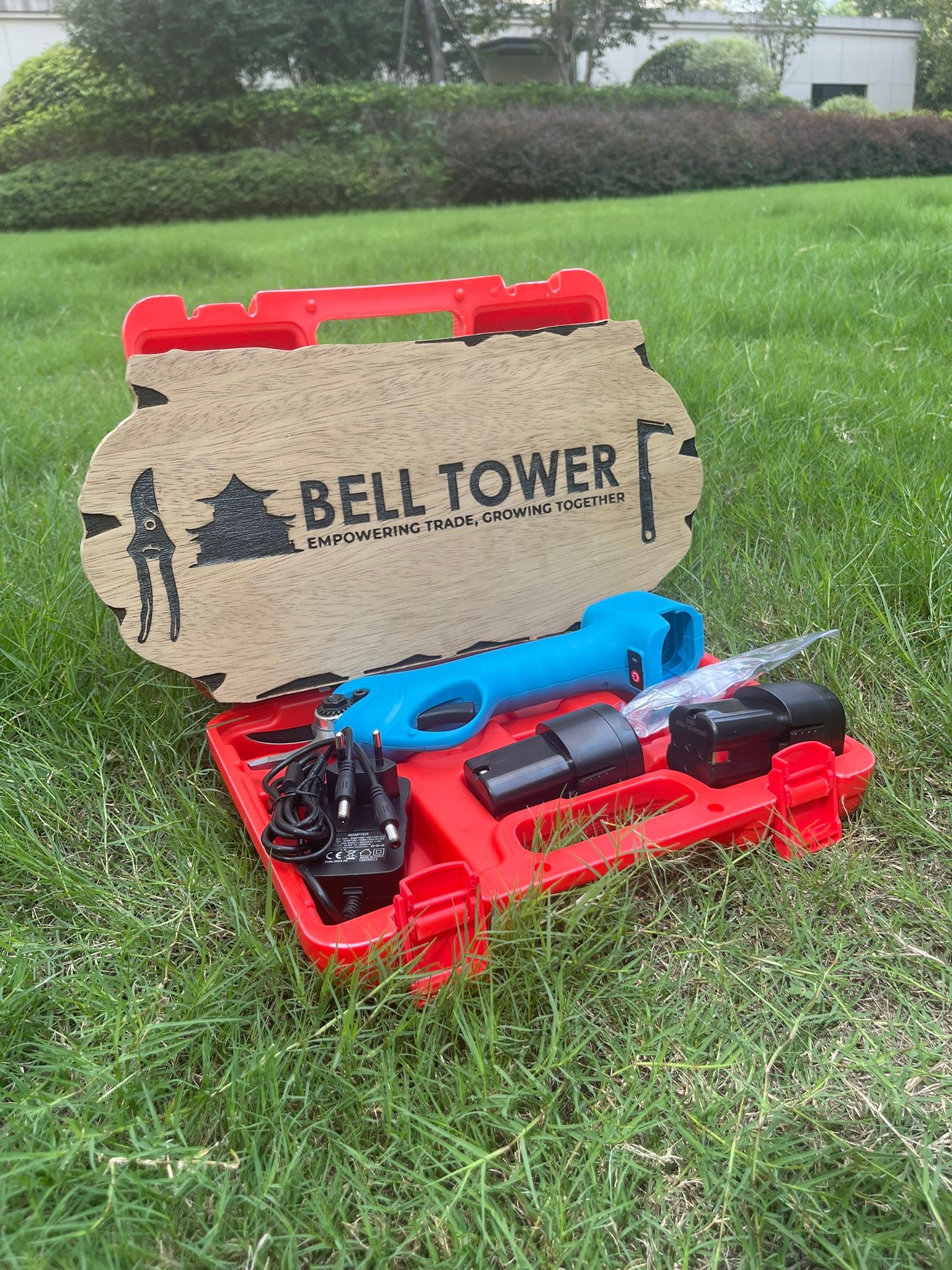
Miscommunication about product specifications can cause disputes and returns, resulting in financial losses in international shipping.
General disruptions like “Garden tool set” without any details can create problems. The shipment may technically match the description, but it’ll likely fail to meet expectations.
Detailed specifications should include, but aren’t limited to:
- Exact measurements and tolerances
- Specific materials with grade standards (SK5 carbon steel, 430 stainless steel)
- Finish and coating specifications (powder coating, chrome plating)
- Packaging requirements (inner boxes, master cartons)
For custom orders, you can create reference samples to show exactly what you expect. Photos with clearly-marked measurements prevent misunderstandings about dimensions.
Mistake 4: Skipping Sample Evaluation or Rushing Sample Approval
A sample evaluation allows you to catch quality issues before committing to bulk orders. Avoid placing orders without samples.
Samples should undergo the same scrutiny that your customers will apply. Test the functionality first; if you’re ordering pruning shears, prune branches with them.
Plus, verify that materials match specifications by checking weight, testing hardness, and examining finish quality.
Compare samples against competitor products to ensure your offering meets or exceeds market standards.
Mistake 5: Unclear Communication and Unrealistic Expectations
Delays and breakdowns in communication between buyers and suppliers can cause delays, errors, and frustration. You can prevent all that with a clearer process.
Time zone differences complicate real-time communication, and language barriers can lead to confusion about technical specifications.
Try to provide all the information from your side to provide enough context. Establish clear communication protocols from the start:
- Designate primary contacts on both sides
- Set expectations for response times, accounting for time zones
- Use written communication for specifications and changes
- Confirm understanding by asking suppliers to repeat the requirements back
Mistake 6: Ignoring Quality Control During Production
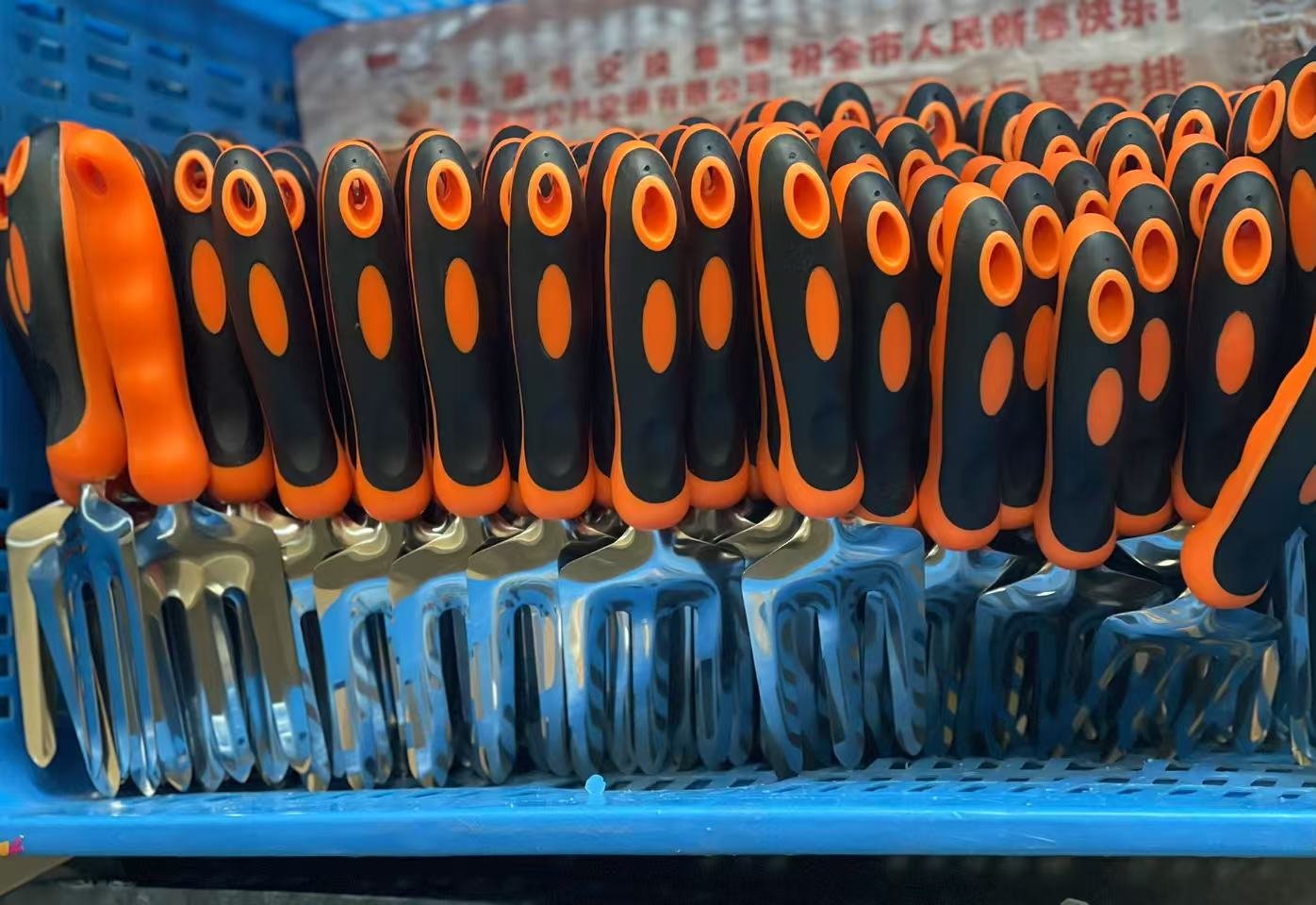
Check the quality of the products before or during production, not after it. By then, fixing problems costs a lot of money, or you’re stuck accepting bad products.
Check quality at three different times during production:
Before Production Starts: Confirm the materials and specifications are correct before production starts. If you catch anything wrong, you can tell the manufacturer right there and then to prevent wasting an entire order.
During Production: Check the quality when the production is about 25% complete. This lets you spot problems early when they’re easier to fix.
Before Shipping: Inspect the final products before they leave the factory. This final check makes sure you’re getting what you paid for.
Implementing proper quality control for garden tool imports protects your money and reputation.
So, ask your trade partner or the factory to send photos during production showing:
- Materials
- Assembly
- Quality checks
Request certificates proving the steel grades and finishes match what you ordered.
Questions You Might Have
How Do I Verify a Supplier Is Legitimate Before Ordering?
Check their business licenses, export certifications, factory photos, communication, and transparency. You can request client references and reviews on third-party platforms for more peace of mind.
What Documents Should I Request Before Paying?
Essential documents often include a detailed invoice with specifications, production timeline and milestones, quality control procedures, and shipping terms.
How Can I Protect Myself From Quality Issues?
Implement a three-stage quality control procedure: Pre-production sample approval, in-line production inspections (at around 25% completion), and pre-shipment final inspection. Document specifications in writing with photos and measurements.
What’s a Realistic Timeline for First Orders From China?
Standard orders require 30-45 days of manufacturing plus some days for shipping. Custom or private label orders may need more days. Add a week or two as buffers for potential delays.
Should I Use a Sourcing Agent or Work Directly With Factories?
Direct factory relationships tend to provide better margins. Sourcing agents can help navigate first-time orders or when there are language barriers.
Conclusion
Avoid these mistakes by working with a supplier who’s not only transparent in their dealings but also offers satisfactory quality control, reasonable MOQs, and cost-effective bulk pricing.
Bell Tower Co. specializes in helping B2B buyers navigate international sourcing with confidence through documented quality systems, flexible MOQs starting at 100 units, English-speaking account management, and transparent communication.
Ready to source garden tools without the common pitfalls?
Contact our team to discuss your requirements. Download our complete product catalog to explore our range of garden tools.