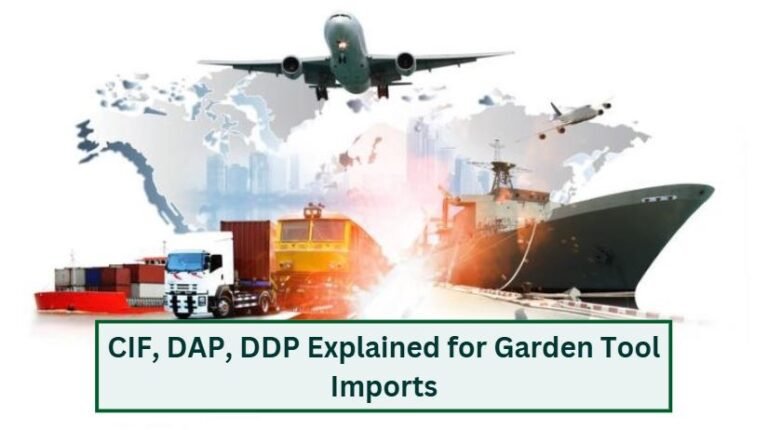
When it comes to moving garden products across borders, shipping can get complicated quickly. You might think a shovel or a ceramic pot is simple to transport, but factors like weight, fragility, seasonality, and cost should decide your shipping choice.
The question is: Whether air freight or sea freight is the right option for your products. In this guide, we’ll break down both options, helping you make the right choice for your needs.
Let’s get started.
What Counts As Garden Products?
Before you think about picking a shipping option, it’s crucial to understand what qualifies as a garden product. Each product has unique shipping requirements. For instance, live plants need fast, careful transport, while bulk soil shipments can tolerate longer transit times.
Common options are:
- Tools: Shears, shovels, rakes
- Decor: Pots, fountains, garden lights
- Furniture: Outdoor tables, chairs, benches
- Live Plants and Seedlings
- Soil, Fertilizers, and Amendments
- Irrigation Equipment
Air Freight: When Speed Beats Everything Else

Air freight is often the go-to option for garden tool shipments that need to arrive quickly or are high-value.
What Air Freight Works Best For
- High-value garden tools
- Lightweight items
- Fragile items that require minimal handling
- Live plants and time-sensitive shipments
Advantages Of Air Freight
- Faster Delivery: Shipments typically arrive within 3–7 days
- Lower Risk Of Damage: Less handling reduces the chance of breakage
- Predictable Schedules: Airlines operate frequent, reliable routes
Drawbacks
- Higher Cost Per Kg: Air freight is significantly more expensive than sea freight
- Size and Weight Restrictions: Heavy or oversized items may be limited
- Shipping Restrictions: Certain chemicals and soil-based products may be restricted
Typical Cost Ranges & Transit Times
| Shipping Type | Cost | Transit Time |
| Air Freight | High | 3–7 days |
Air freight works best when speed is critical, especially for fragile or perishable garden items.
You May Also Like: DDP vs. CIF vs. FOB (Which One to Choose?)
Sea Freight: Budget-Friendly And Bulk-Friendly
Sea freight is ideal for large, heavy shipments that are not time-sensitive. It’s commonly used for garden furniture, soil, and even bulk decor.
What Sea Freight Works Best For
- Bulk shipments of pots, tools, or furniture
- Heavy items like soil, fertilizers, and metal furniture
- Seasonal stock
- A mix of different garden products
Advantages Of Sea Freight
- Lower Cost Per Unit: Ideal for large volumes
- Fewer Size Limitations: Accommodates oversized items
- Bulk-Friendly: You can ship a wide variety of gardening products in one container
Drawbacks
- Longer Transit Times: Typically 20–45 days, depending on shipping lanes
- Customs and Port Delays: More variables than air freight
- Exposure to Moisture: Important for wood, fabric, and metal products
Typical Cost Ranges & Transit Times
| Shipping Type | Cost | Transit Time |
| Sea Freight | Low | 20–45 days |
Sea freight is perfect when you want to move large quantities cost-effectively and can plan ahead.
Head-To-Head Comparison: Air Vs Sea For Garden Products
Here’s a side-by-side look at air and sea freight:
| Feature | Air Freight | Sea Freight |
| Cost | High | Low |
| Speed | Fast (3–7 days) | Slow (20–45 days) |
| Best Use Cases | Fragile, high-value, perishable | Bulk, heavy, mixed cargo |
| Risk Of Damage | Low | Moderate (moisture, handling) |
| Environmental Impact | Higher CO2 emissions | Lower CO2 per unit |
| Flexibility | Limited by size/weight | High, can mix cargo |
Practical Examples:
- Ceramic Pots: Fragile, could benefit from air for small, high-value batches
- Battery-Powered Garden Lights: Light and delicate, air is preferable
- Compost Bags: Heavy and bulky, sea freight is usually the better choice
Seasonal Factors You Should Consider

Seasonal demand can also affect shipping timelines; here’s what to keep in mind:
- Spring Demand Spikes: Gardening products tend to sell fastest during peak planting seasons
- Time-Sensitive Products: Seedlings or live plants may require air transport to maintain freshness
- Inventory Planning: Retailers must plan for sea freight lead times, often weeks in advance
Choosing the wrong shipping method in high-demand periods can lead to spoilage or stockouts.
Compliance, Packaging, And Import Details
Understand packaging requirements and shipping regulations before importing garden products internationally.
Plant And Soil Regulations
- Live plants often require quick transit and certain certificates
- Soil, compost, and fertilizers may be restricted in air shipments
Packaging Requirements
- Air Freight: Moisture control and cushioning for pressure changes
- Sea Freight: Anti-mold packaging and moisture-resistant materials
Customs Notes
- Wood furniture may need fumigation
- Fertilizers and chemicals may require special permits
- Soil and live plants often have strict inspections
How To Decide: A Simple Framework
Use this short bulleted list to pick the right shopping method:
- Weight & Dimensions: Heavy or bulky items favor sea freight
- Product Sensitivity: Fragile or perishable items favor air freight
- Timeline: Urgent shipments require air
- Margin Per Unit: Higher-margin items may justify faster, costlier transport
- Order Volume: Large volumes typically make sea freight more economical
Rule of Thumb:
- Shipping bulk inventory? Default to sea freight
- High-value, delicate, or time-dependent items? Air freight is best
Questions You Might Have
Is Air Freight Ever Cheaper For Garden Products?
Yes, for smaller, lightweight, or high-margin items, air freight can be cost-effective compared to multiple sea shipments.
Can I Ship Soil Or Fertilizers By Air?
It’s often restricted. Check with your carrier and local regulations. Some fertilizers require sea shipping.
Do Garden Pots Break More Often In Sea Freight?
Breakage risk is higher without proper cushioning and palletization, and using moisture-resistant packaging reduces risk.
Can I Mix Garden Product Types In One Container?
Yes, you can mix garden product types in one container, but ensure fragile items are adequately packed to prevent damage to any items.
What’s The Best Choice For New Ecommerce Sellers?
Air freight is a simpler route for smaller orders, but as order volume grows, sea freight becomes more cost-efficient.
Conclusion
There you have it: a complete breakdown of air freight vs. sea freight, including which one is better in which cases.
The key takeaway is that there’s no universal “Best” option for shipping garden products internationally. Air freight shines when speed, fragility, or high value matters. When bulk, cost efficiency, and larger items are your priority, sea freight is often the better choice.
Bell Tower ships gardening tools in bulk at 30% lower prices than Alibaba.