If you’re thinking about sourcing garden tools in bulk, one of the first decisions you’ll bump into is choosing between EXW and FOB. And this single choice can change your landed cost, your stress levels, and how fast your stock shows up.
Let’s break it all down in simple words so you can pick the right option that makes sense for your business.
What EXW Really Means for Garden Tool Buyers
Ex Works (EXW) basically means this: the supplier gives you the goods at their factory door, and you handle everything after that. From arranging pickup in China to getting the shipment through export clearance, everything from that point onward is your responsibility.
What the Supplier Handles Under EXW
- Prepping the goods for pickup
- Having them ready at the factory
- Nothing beyond that
What You Take Over
- Trucking from the factory to the port
- Consolidation (if you’re buying from different factories)
- Export paperwork
- Port handling fees
- Ocean freight
- Insurance
- Destination charges
- Delivery to your warehouse
If the products are heavy, mixed, or packed on pallets, like full garden tool sets, rakes, cutters, or bulk trowels, EXW gives you the freedom to handle the logistics your way, but the freedom comes with more moving pieces.
What FOB Means for Garden Tool Importers
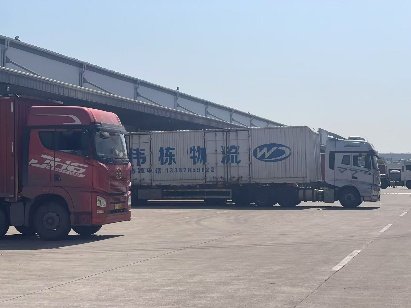
Free on Board (FOB) is more beginner-friendly; the supplier books trucking, handles export clearance, and gets your goods loaded onto the ship. You take it from there once the goods are on board.
What the Supplier Handles Under FOB
- Inland transport to the port
- Export customs clearance
- Loading the container on the vessel
What You Handle Afterward
- Ocean freight
- Insurance
- Import clearance
- Delivery to your warehouse
For gardening tools, especially when you’re ordering full containers of hand tools or heavier equipment, FOB tends to keep things simpler for you. It reduces surprise expenses in the early part of the journey.
Cost Breakdown: EXW vs. FOB
Here’s a clean comparison to help you visualize how costs stack up.
Cost Responsibilities Table
| Cost Component | EXW (Buyer Pays) | FOB (Supplier Pays) |
| Factory pickup | ✔ | ✔ |
| Domestic trucking in China | ✔ | ✔ |
| Export documentation | ✔ | ✔ |
| Port handling fees (China) | ✔ | ✔ |
| Loading onto vessel | ✔ | ✔ |
| Ocean freight | ✔ | ✘ |
| Insurance | ✔ | ✘ |
| Customs clearance (destination) | ✔ | ✘ |
| Warehouse delivery | ✔ | ✘ |
Hidden Costs That Catch Buyers Off Guard
- Trucking from remote inland areas
- “Documentation fees” added by random intermediaries
- Port congestion surcharges
- Supplier delays due to disorganized export teams
- Freight forwarders pad rates because the buyer “won’t notice.”
With EXW, these extras add up quickly if you don’t know the local logistics scene.
Risk Breakdown: Who Owns the Headaches?
When your goods are traveling thousands of miles, things can go sideways. Here’s what changes between EXW and FOB.
When You Choose EXW
- You’re responsible if goods get damaged during pickup
- If export documents aren’t cleared properly, you deal with the fallout
- If trucking companies delay, the port charges you storage fees
- If your forwarder miscommunicates with the supplier, you mediate
When You Choose FOB
- The supplier carries the risk until your goods are safely on the ship
- Once onboard, everything becomes your responsibility
- Issues with ocean freight, customs, or drayage fall on your side
In a nutshell: EXW shifts most risk to you, while FOB splits the journey more logically.
When EXW Makes Sense
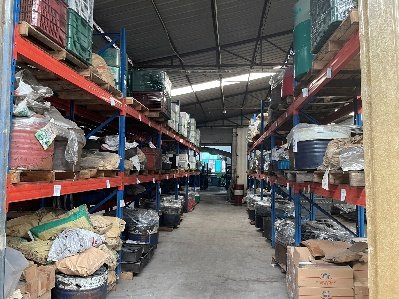
EXW is usually the smarter pick when:
- You’re buying from multiple factories and consolidating
- You trust your freight forwarder more than the factory’s logistics team
- Your order has special requirements (custom packaging, labeling, prep)
- You want full visibility over every step
If you import garden tools and buy from multiple suppliers in the region, EXW would be a better option as it simplifies consolidation.
When FOB Is the Better Choice
FOB is a great option when:
- You’re new to importing
- You want fewer skills to master on day one
- You want predictable upfront costs
- Your supplier already ships regularly from a major port
A factory that exports containers weekly will usually negotiate better trucking and clearance rates than you could on your own.
Key Questions to Ask Before Choosing EXW or FOB
- Which port do you normally ship from?
- Can you show the cost breakdown behind your FOB quotation?
- Does your FOB quote include export clearance?
- How far is your factory from the port?
- Are there additional local charges I should expect?
- What’s your average preparation time before shipment?
- Do you work with a designated forwarder or multiple ones?
Suppliers who give clear answers are usually the ones worth keeping long-term.
Read More: DDP vs. CIF vs. FOB (Which One Should You Choose?)
Questions You Might Have

Is FOB Always Safer?
FOB usually reduces your exposure during the early stages because the supplier handles inland transport and export clearance. But it’s not a total shield. Once the goods are on the vessel, all risks shift to you, so you still need a reliable forwarder.
Is EXW Cheaper For Small Orders?
It can be, but only when your forwarder offers strong local rates and the factory isn’t far from the nearest port. Otherwise, the extra inland trucking and export fees can erase any savings and make EXW more expensive overall.
Which Option Is Better For Consolidating From Multiple Factories?
EXW is usually the smarter play because it lets your forwarder collect goods from different locations and merge them into a single shipment. It simplifies consolidation, cuts delays, and puts all logistics under one coordinated team instead of several suppliers.
Do I Need A Freight Forwarder For Either Term?
Absolutely. Even with FOB, you’ll still need a forwarder for ocean freight, customs clearance, unloading, and final delivery. A good forwarder keeps the process smooth, avoids surprise fees, and handles the steps most suppliers or importers aren’t equipped to manage.
Conclusion
When it comes to choosing between EXW and FOB, the question isn’t which one’s better; the question is which one suits your business better at the current stage.
Things come down to control; if you want more control and trust your logistics partner, EXW gives you flexibility. If you want to reduce risk, FOB keeps things simpler for you. Why is understanding the difference important for garden tool importers? Because then they have a better chance of higher margins and fewer surprises.
Read More: B2B Gardening Trends (What Bulk Buyers Should Know)