Here’s the uncomfortable truth: Many retailers lose money on imports long before the container reaches their warehouse.
Not because suppliers are shady or freight rates spike overnight, but because they don’t choose the right shipping terms.
FOB and FCA may sound boring, but these shipping details quietly decide who pays, who faces more risk, and who scrambles when things go sideways.
If you import garden tools, where margins are already under pressure, this choice matters more than many retailers realize.
Let’s look at FOB vs. FCA the way a retailer should: through cost control, risk, and operational sanity.
What Are Incoterms and Why Retailers Should Care
Incoterms are standardized trade terms published by the International Chamber of Commerce (ICC). Their job is simple: Define who is responsible for costs, risks, and logistics at each stage of an international shipping project.
What they don’t do:
- Set product prices
- Cover payment terms
- Replace contracts
What they do affect directly:
- Landed cost accuracy
- Insurance responsibility
- Risk transfer points
- Who pays when something breaks, is delayed, or disappears
Importantly, misusing Incoterms is one of the most common causes of international trade disputes. Retailers often default to whatever the supplier suggests, which then favors the supplier. FOB and FCA are popular because they sit in the middle ground.
FOB (Free on Board) Explained
What FOB Actually Means
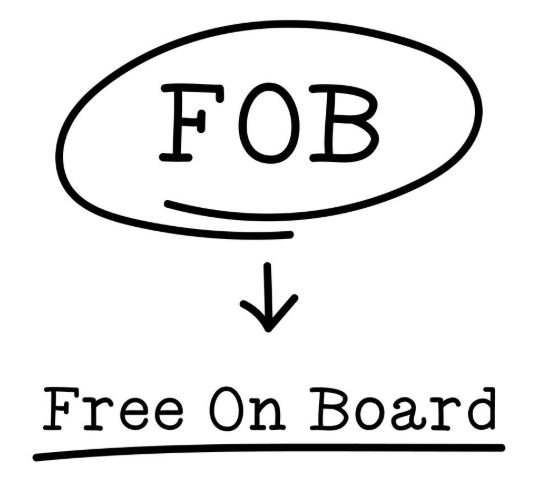
Under FOB, the seller is responsible for the goods until they are loaded onto the vessel at the port of shipment. Once the cargo crosses the ship’s rail, risk transfers to the buyer.
From that moment on, the retailer pays for:
- Ocean freight
- Insurance
- Destination port charges
- Inland transport after arrival
Why FOB Is Common for Garden Tool Imports
Garden tools are often shipped in bulk, by sea, and in full containers. FOB aligns well with this setup because suppliers are usually located near export ports and already handle local logistics efficiently.
Pros of FOB for Retailers
- Simple and widely understood
- Easy to compare freight quotes
- Clear risk transfer point
- Familiar to most freight forwarders
Limitations You Should Know
If the port is congested or the vessel is delayed, costs and risks shift quickly to you. Port delays remain one of the top contributors to unexpected import costs globally.
FCA (Free Carrier) Explained
What FCA Really Changes
With FCA, the seller delivers the goods to a carrier or location nominated by the buyer. This could be:
- A local warehouse
- A freight terminal
Risk transfers at that point, not at the port.
Why FCA Is Gaining Popularity
FCA works across all transport modes: sea, air, rail, or mixed. For retailers who want tighter control or work with consolidated shipments, FCA offers flexibility that FOB cannot.
Benefits of FCA for Retailers
- Earlier control over logistics
- Better coordination with freight partners
- Works well for multimodal shipping
- Reduces port-side surprises
The Catch
You need competent logistics support; FCA shifts responsibility earlier, so mistakes at pickup become your problem.
FOB vs FCA: Side-by-Side Comparison
| Factor | FOB | FCA |
|---|---|---|
| Risk transfer point | Port of shipment | Carrier pickup location |
| Transport modes | Sea only | All modes |
| Retailer control | Moderate | High |
| Supplier involvement | Up to port | Ends at handover |
| Best use case | Full container sea freight | Multimodal or consolidation |
This table hides an important reality: FOB feels easier, FCA feels smarter. Which one wins depends on how hands-on you want to be.
Cost, Risk, and Margin Impact for Retailers
Landed Cost Control
FOB often looks cheaper upfront because suppliers bundle local costs efficiently. FCA can be cheaper long-term if you negotiate inland and international freight together.
Risk Exposure
FOB concentrates risk at the port; FCA spreads risk earlier but gives you visibility sooner. Neither is safer by default.
Operational Reality
If you’re importing:
- Full containers
- From port-adjacent suppliers
- With predictable volumes
FOB is usually fine.
If you’re importing:
- Mixed SKUs
- Smaller volumes
- From inland factories
FCA almost always performs better.
Read More: OEM vs. ODM Garden Tools (Which One to Choose?)
Questions You Might Have

What Is the Main Difference Between FOB and FCA?
The main difference is the risk transfer point. Under FOB, risk passes at the loading port once goods are on the vessel, while FCA transfers risk earlier when goods are handed to a buyer-nominated carrier.
Which Term Is Cheaper for Retailers?
Neither term is automatically cheaper. FOB often looks simpler upfront, while FCA can reduce total landed costs if retailers have strong freight partners and can negotiate inland and international transport more effectively.
Can FCA Be Used for Sea Freight?
Yes, FCA can be used for sea freight. It is especially suitable when suppliers are inland, allowing retailers to control port handling and ocean freight while avoiding inefficiencies hidden in supplier-managed port delivery.
Is FOB Riskier Than FCA?
FOB is not inherently riskier, but it concentrates risk at the port of shipment. FCA shifts responsibility earlier, increasing buyer exposure upfront while providing better visibility and control over logistics before export.
Which Is Better for Seasonal Garden Tools?
FCA is often better for seasonal garden tools because earlier logistics control and visibility help retailers detect delays sooner, adjust inventory plans, and avoid missing peak selling windows that directly impact revenue.
Final Takeaway
FCA isn’t automatically superior, and FOB isn’t outdated. The key is to choose one based on how it affects your costs, risk, and timing.
For straightforward sea freight, FOB remains a practical option. For retailers chasing margin precision and visibility, FCAis often the better long-term option.
You May Also Like to Read: OEM vs. Original Garden Tools (For Retailers)