When your lawn isn’t in its best shape, it’s easy to assume that you need to throw in more seeds or water it more.
However, here’s the thing: None of that water or seeds will matter if your soil isn’t prepped properly or too compact.
This is where having an aerator or tiller can help. Aeration simply means letting more air, water, and nutrients in, while tilling is a more aggressive form of soil preparation.
In this post, you’ll learn:
- Why and when you need a lawn aerator and tiller
- How do these tools work
- How do they stack up against each other
- How much do they cost
- And more
So, read till the end if you want to educate yourself about two of the most powerful soil preparation tools.
Understanding Lawn Aeration
Lawn aeration is the process of creating holes in the soil to allow air, water, and nutrients to reach the roots and relieve compaction. And, an aerator helps you do that.
There are two types of aerators:
- Spike Aerators: These push solid tines into the ground but don’t remove soil
- Core Aerators: These pull dirt from the lawn, offering longer-lasting benefits
When should you aerate your garden? When water starts to pool after rain, and/or your lawn starts to look patchy.
Why and When to Aerate
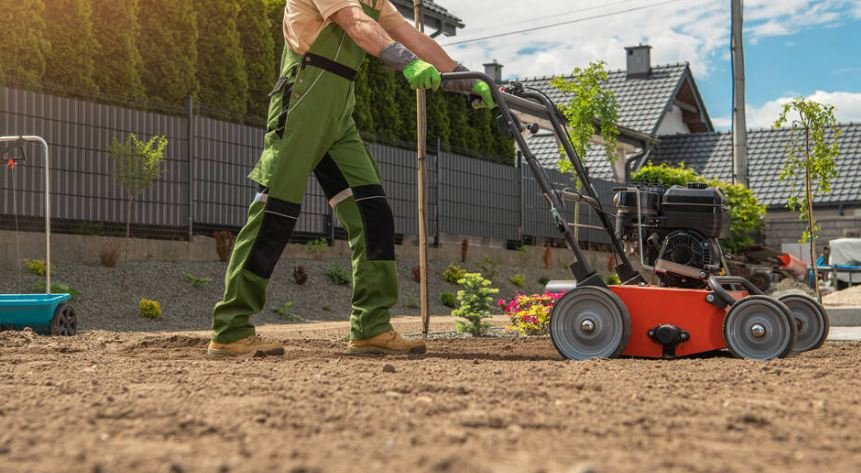
A healthy lawn is full of air pockets. Dense, compacted lawns don’t let enough air, water, and nutrients reach the grassroots, which affects your garden’s health.
When the roots start to suffocate, you notice weeds and thinning grass. Aeration breaks up the compacted soil, allowing your grass to breathe and grow thick.
Aeration is helpful before overseeding as it helps these seeds make direct contact with the soil.
The right time to aerate your lawn depends on your grass type. Aerate cool-season grasses in early fall or early spring.
And late spring to early summer is ideal for warm-season grasses.
Avoid it during extreme heat or droughts; it’ll do more harm than good.
Understanding Lawn Tillers
Gardeners use lawn tillers to break off compacted soil, kill existing weeds or grass, and blend in compost or fertilizer.
You can use a tiller to dig deep into the soil and turn it over to get a fresh, new start.
Tillers can be of two types:
- Front-tine tillers are meant for light to medium-duty work
- Read-tine tillers are more powerful, making them perfect for breaking new ground
Unlike aerators, tillers completely disturb the top layer of your soil. They’re ideal for when you want to start growing from scratch.
Why and When to Till?
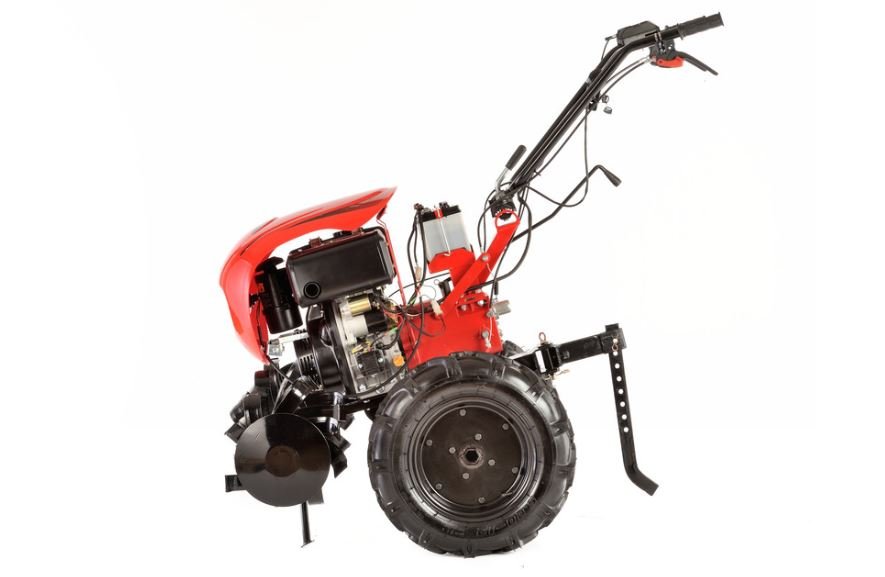
You want to use tillers in two main situations:
- Preparing New Lawns: Tilling preps the soil for strong root growth, whether you’re laying sod or seeding from scratch
- Renovating Dead or Neglected Patches: The tool lets you level uneven ground and mix in topsoil
The best time to till? When the soil is moist but not soggy (Early spring or early fall).
Lawn Aerator Vs. Tiller: Side‑by‑Side Comparison
Let’s compare both soil preparation tools side by side.
| Feature | Lawn Aerator | Lawn Tiller |
| Purpose | Loosens soil without destroying grass | Removes vegetation and turns the soil |
| Best Use Case | Overseeding, improving existing grass health | Lawn renovation, starting a new bed |
| Disruption Level | Keeps existing grass (Minimal) | Removes grass and weeds (Major) |
| Soil Penetration | Up to 3 inches deep | 6 – 12 inches deep |
| Learning Curve | Beginner-friendly | Slightly more technical |
| Total Cost | $60 – $100 rental | $75 – $150 rental |
Choosing the Right Tool
Here’s the rule of thumb:
- If you want to improve your existing lawn, go with an aerator
- If you want to start over or plant a flat bed, use a tiller
If you’re still unsure, observe your lawn and check:
- If the soil is hard and water easily runs off (You need an aerator)
- If most of the grass is dead or filled with weeds, grab a tiller
It may make sense to use both in some cases. For instance, you can start with a tiller to prep a new soil and use an aerator before seeding for healthy growth.
Learn More: ebook reveals the essential tools every gardener needs, from novice to expert
Common Mistakes to Avoid
With Aerators
- Don’t use an aerator on dry soil. It won’t be effective.
- Avoid using spike aerators on heavy clay
With Tillers
- Don’t overdo it. It’ll break down soil structure
- Watch out for underground lines
Cost Breakdown and ROI
Since you need an aerator and tiller once or twice a year, it’s reasonable to rent these tools. While the exact costs may vary, here’s a rough idea:
- Aerators: $60 – $100 a day
- Tillers: $75 – $150 per day (Depending on the size)
In terms of return on investment, tilling is more of a one-time investment for new installations, whereas aeration improves lawn density and appearance.
Frequently Asked Questions
Here are a few questions you might have related to lawn aerator vs. lawn tiller.
Should I Use an Aerator or Tiller?
Use an aerator to loosen compacted soil and improve grass growth. Use a tiller to remove old turf, starting fresh, or preparing your garden for a major renovation.
What Are the Drawbacks of Aeration?
Aeration can make the soil messy temporarily and may not help severely damaged lawns. Plus, it doesn’t work as well on overly dry or wet soil.
Should I Till Or Aerate My Lawn Before Seeding?
To improve the soil contact with seeds, aerate before overseeding a lawn. Till only when you want to replace a lawn and start fresh. Don’t till existing, healthy lawns.
Does Aeration Damage Soil?
No, aeration reduces compaction and makes the soil less dense. Having said that, using the wrong type of aerator and carrying out the process in extreme conditions can do more harm than good.
Conclusion
If your lawn looks spongy or unhealthy, it’s not always about water or fertilizers. What goes on beneath the surface matters too.
A lawn aerator helps your garden bounce back and regain health by allowing air, water, and nutrients to reach the roots.
A tiller, on the other hand, is a perfect tool for complete garden transformations.
Choose what your lawn needs, not what’s convenient.