Importing garden tools from China can be super profitable, but it can also be risky when you take quality control lightly.
A polished sample means nothing if the bulk production doesn’t match it. A factory commitment means little if materials lose their quality mid-production.
And once your container ships, you start to lose leverage. Here’s the solution: Understand how quality control works when you’re importing garden tools from China, and how you can protect your margins, reputation, and customers.
Let’s get started.
Why Quality Control Is Critical for Garden Tool Imports
Garden tools may look simple; they’re not. Unlike basic plastic products, they involve:
- Moving mechanical parts (pruning shears, chainsaws, hedge trimmers)
- Heat-treated steel blades
- Springs, rivets, and tension systems
- Batteries and motors in electric tools
Steel blades can dull quickly. If seals are weak, sprayers can leak. If batteries get damaged, return rates spike.
Poor quality control leads to:
- Retailer rejection
- Warranty claims
- Negative reviews
- Costly recalls
- Long-term brand damage
And that’s why you must treat quality control as a structured system, not a last-minute inspection.
When should you verify your supplier? Even before the production begins.
Step 1: Supplier Verification and Factory Audit

Quality control starts here. A proper factory audit evaluates:
- Business licenses and export certifications
- Production capacity and machinery
- Workforce size and skill level
- Existing quality management systems
- Past export experience
This is where you understand who you’re going to work with. On-site audits significantly reduce sourcing risk. A professional factory audit ensures the supplier can produce at scale, with consistent quality.
Step 2: Pre-Production Quality Planning
Skipping this step is a mistake; at this point, you need all or some of these:
- A written technical specification sheet
- Confirmed material grades (steel, plastic, battery type)
- Packaging requirements
- Labeling and regulatory markings
- An approved “golden sample.”
Verbal agreements are not quality control.
For example:
- Blade hardness should be defined (e.g., HRC range)
- Plastic thickness must be documented
- Battery capacity should be clearly stated and tested
The clearer the documentation, the less room there is for material substitution or interpretation.
Step 3: Raw Material Inspection
Raw material determines durability, which determines customer satisfaction.
For garden tools, inspectors often verify:
- Steel hardness and heat treatment for blades
- Coating thickness for corrosion resistance
- Plastic strength and molding consistency
- Motor components and battery cells for electric tools
- Seal and hose material quality in sprayers
Weak materials don’t always fail immediately; they can fail when you don’t expect them to fail. And that’s when returns start, and you can’t do much.
Read More: Electric Garden Tools for B2B Professionals
Step 4: During Production Inspection
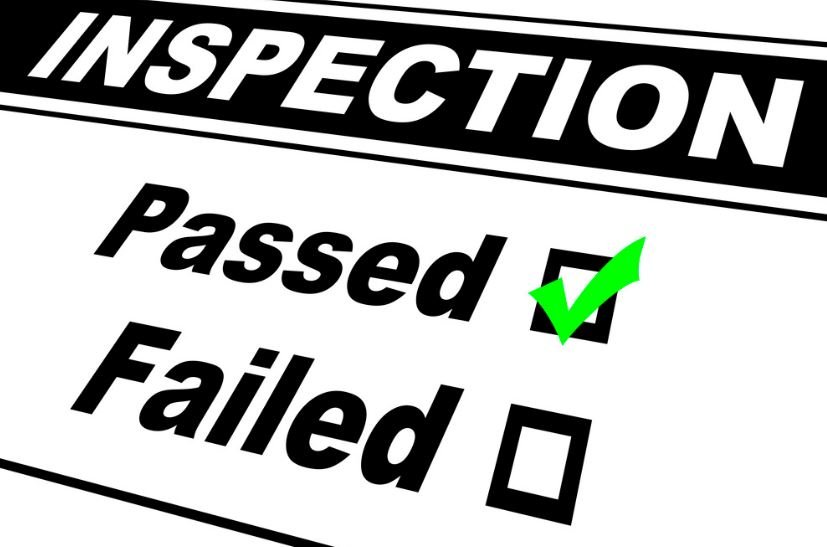
During production inspection often takes place when 20 – 60% of goods are completed. Why not wait until the end?
Because if you discover defects mid-production, they can still be corrected without reworking the entire order.
These checks typically include:
- Random sampling of units
- Assembly consistency
- Blade alignment checks
- Spring tension verification
- Battery and motor function testing
Catching problems early protects your delivery timeline and reduces financial exposure.
Step 5: Pre-Shipment Inspection (PSI)
Pre-shipment inspection takes place when production is complete, and the majority of it is packed (around 80%).
Consider following the AQL standards (Acceptible Quality Limit), an internationally recognized sampling method.
Here’s a simplified breakdown:
| Inspection Area | What Is Checked |
| Visual Quality | Scratches, coating defects, assembly flaws |
| Function Test | Cutting performance, motor operation, spray pressure |
| Quantity | Carton count verification |
| Packaging | Drop tests and label accuracy |
If products fail inspection, corrections may be in place before final payment.
Step 6: Container Loading Supervision
Even after passing inspection, problems can arise.
Container Loading Supervision ensures:
- Correct cartons are loaded
- Quantities match inspection reports
- Proper stacking prevents blade damage
- Moisture protection is used
- No product substitution occurs
This final step closes the loop.
Special Quality Considerations for Electric Garden Tools
Electric garden tools often require deeper scrutiny than manual ones.
Additional checks often include:
- Battery cycle testing
- Motor overheating checks
- Electrical insulation testing
- Certification compliance (CE, RoHS)
- UN38.3 compliance for lithium battery shipping
Battery transport regulations are especially strict.
Ignoring battery compliance can result in shipment delays, fines, or cargo rejection.
Common Quality Issues When Importing Garden Tools
Knowing what can go wrong during the process helps you avoid it.
Issues to be mindful of:
- Blade dullness due to improper heat treatment
- Weak springs in pruning shears
- Leaking seals in sprayers
- Battery runtime is lower than advertised
- Rust from insufficient coating
These issues can be prevented with structured multi-stage quality control.
How Importers Should Structure Their QC Strategy

Follow a layered approach:
| QC Stage | Purpose |
| Supplier Audit | Verify capability before production |
| Pre-Production Review | Lock specifications |
| Raw Material Check | Prevent long-term failure |
| DUPRO | Catch defects early |
| PSI | Verify final goods |
| Loading Supervision | Ensure shipment integrity |
Don’t just rely on factory self-inspection. It’s risky.
If you’re sourcing garden tools and want to reduce defect risk, warranty claims, and compliance issues, consider working with a sourcing partner that integrates everything.
Thinking of important garden tools from China?
Check Our Services Here!
Questions You Might Have
Is One Inspection Enough When Importing Garden Tools?
No, a single pre-shipment inspection only checks finished goods. Go with a structured approach: Supplier verification, pre-production review, and during-production inspection to prevent problems before they affect the entire order.
How Much Does Quality Control Cost in China?
Inspection costs are typically a small percentage of the total order value. Structured quality control is a cost-effective risk management investment for importers compared to the cost of returns, rework, or lost customers.
What Happens If Products Fail Inspection?
If a product fails internal inspection, you can work with your partner to take corrective actions like rework, sorting, replacement, and shipping delays.
Do Electric Garden Tools Require Additional Testing?
Yes, electric tools are more delicate and often require a more detailed check. This includes battery performance testing, motor safety checks, and certification compliance verification.
Conclusion
When importing garden tools from China, quality control isn’t a single checklist.
It’s a structured, multi-stage system designed to protect your investment.
From supplier audit to container inspection, each step of the process reduces risk and increases consistency.
Don’t wait for problems to appear; build prevention into your system.
If you want to import garden tools and want a structured quality control strategy that protects your brand and margins, learn how Bell Tower can help.
We act as growth partners for B2B buyers, helping them import garden tools from different factories in China at low MOQs and high quality.