Electric sprayers are a handy tool in modern agriculture, gardening, and sanitation. They replace hand-pumping with a battery-powered motor, delivering consistent pressure and better coverage with minimal physical effort.
If you’re a retailer, a landscaper, or someone who takes care of a piece of land, this guide breaks down how electric sprayers work, where they’re used, and why the demand is increasing.
What Are Electric Sprayers?
An electric sprayer is a spraying device powered by a rechargeable battery rather than manual pumping or fuel combustion. The core job is simple: Deliver liquids at consistent pressure through a nozzle for even application.
Electric sprayers are commonly used to spray:
- Pesticides and herbicides
- Liquid fertilizers
- Disinfectants and sanitizers
- Water for plants and landscaping
Unlike manual sprayers, electric sprayers automatically keep the pressure steady, which means uniform spray patterns, less user fatigue, and higher efficiency.
How Electric Sprayers Work
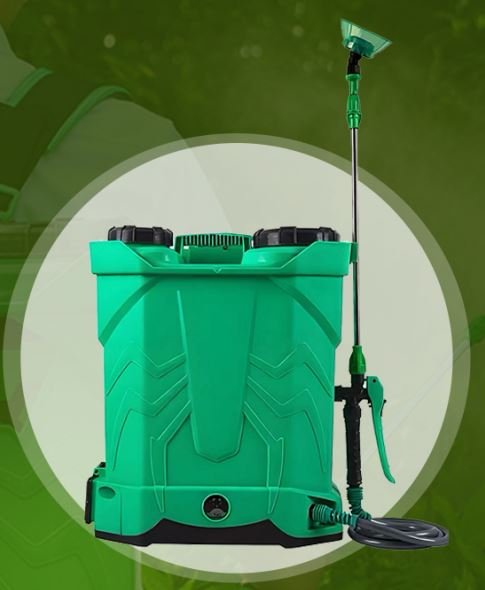
Electric sprayers rely on a compact motor-pump system; it’s powered by a rechargeable battery. Once switched on, the motor draws liquid from the tank and pushes it through the hose and nozzle at a preset pressure.
Core Components
- Battery: Usually lead-acid or lithium-ion
- Electric motor: Drives the pump
- Pump: Builds and regulates pressure
- Tank: Holds the liquid solution
- Lance and nozzle: Controls spray direction and pattern
The biggest advantage of an electric sprayer is its pressure consistency. This is because consistent spray pressure tends to improve coverage and reduce chemical waste.
Types of Electric Sprayers
Electric sprayers come in several formats, each designed for different workloads and environments.
Common Electric Sprayer Types
| Type | Typical Capacity | Best Use Case |
| Knapsack Electric Sprayer | 12–20 liters | Farms, gardens, pest control |
| Trolley Electric Sprayer | 30–80 liters | Large fields, sanitation work |
| Handheld Electric Sprayer | 1–5 liters | Home gardening, indoor spraying |
| Wheeled Electric Sprayer | 30 – 100+ liters | Commercial and municipal use |
Knapsack models dominate agricultural use due to their balance of portability and capacity. Trolley and wheeled versions are gaining traction in sanitation and disinfection, especially after increased hygiene regulations globally.
Key Benefits of Electric Sprayers
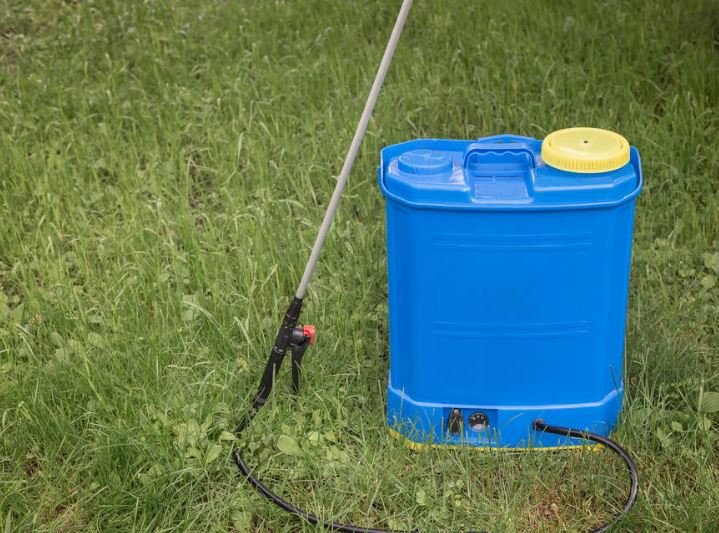
Let’s talk about what makes electric sprayers a must-have for gardeners, landscapers, and retailers. They aren’t just about convenience. The benefits directly impact productivity, cost control, and application quality.
1. Reduced Physical Fatigue
If you’ve ever used manual sprayers, you’d know they require constant pumping. Over long hours, this leads to operator fatigue and inconsistent spraying. Electric sprayers remove that strain, allowing you to focus on coverage rather than manual effort.
And when you reduce repetitive manual tasks, it lowers the risk of injuries, in addition to improving overall productivity.
2. Consistent Spray Pressure
Probably the biggest benefit of using electric sprayers in the field is that they keep the pressure stable. This results in:
- Uniform droplet size
- Even chemical distribution
- Reduced over-application and runoff
This can be especially helpful when you’re applying pesticides or fertilizers, where uneven spraying can even harm crops.
3. Higher Productivity
When you don’t have to manually pump the liquid and have larger tank options, you can cover more area in less time.
For commercial farms and service providers, this directly translates into labor savings.
4. Lower Long-Term Operating Costs
Electric sprayers have fewer mechanical parts than fuel-powered sprayers. There are no fuel costs, minimal maintenance, and lower repair frequency. This all makes them cost-effective over time.
5. Cleaner and Quieter Operation
Unlike gasoline sprayers, electric models produce no emissions and significantly less noise, which makes them suitable for indoor, residential, and regulated environments.
Electric Sprayers vs Manual Sprayers
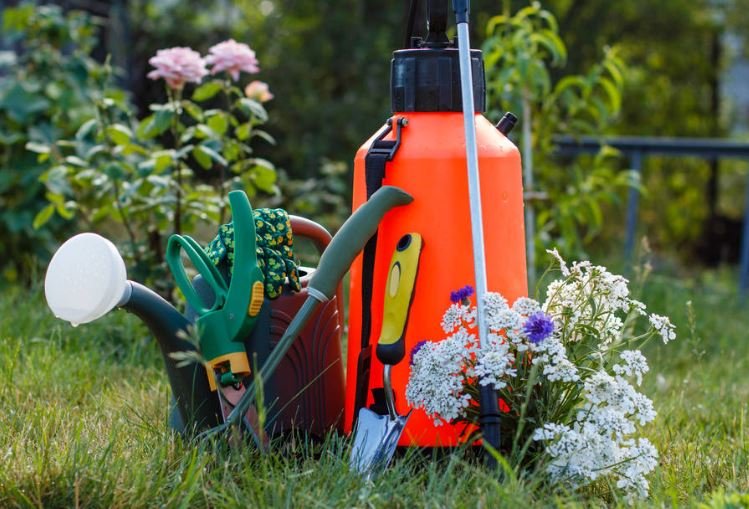
The difference becomes clear when you compare them side by side.
| Feature | Electric Sprayer | Manual Sprayer |
| Pressure Consistency | High | Low |
| Operator Fatigue | Minimal | High |
| Coverage Speed | Fast | Slow |
| Maintenance | Low | Low–Moderate |
| Long-Term Cost | Lower | Higher (labor-driven) |
Manual sprayers still make sense for small, occasional tasks. But once spraying becomes routine or commercial, electric sprayers quickly outperform them.
Read More: Gardening Trends 2026 (What Businesses Should Know)
Industries That Rely on Electric Sprayers
Electric sprayers are relevant and helpful in almost every industry that needs efficient liquid application.
They’re not limited to farms and are perfect for:
- Agriculture: Crop protection, fertilizer application
- Gardening and Landscaping: Residential and commercial maintenance
- Pest Control: Indoor and outdoor treatments
- Sanitation: Disinfection of public spaces, warehouses, and vehicles
What to Consider When Buying or Importing Electric Sprayers
Now that you know why electric sprayers make a perfect addition to the toolkit, let’s learn what factors to consider to grab the right one.
Of course, this goes beyond price; buyers and importers should also evaluate factors like performance, durability, and the end application.
Key Evaluation Factors
- Battery Type: Lithium-ion batteries last longer and charge faster than lead-acid
- Pressure Rating: Higher pressure improves reach and coverage
- Material Quality: Chemical-resistant tanks and seals are critical
- Spare Parts Availability: Ensures long-term usability
- Certifications: CE, ISO, or local compliance standards for target markets
If you’re an importer, work with verified manufacturers and conduct thorough inspections to minimize quality risks.
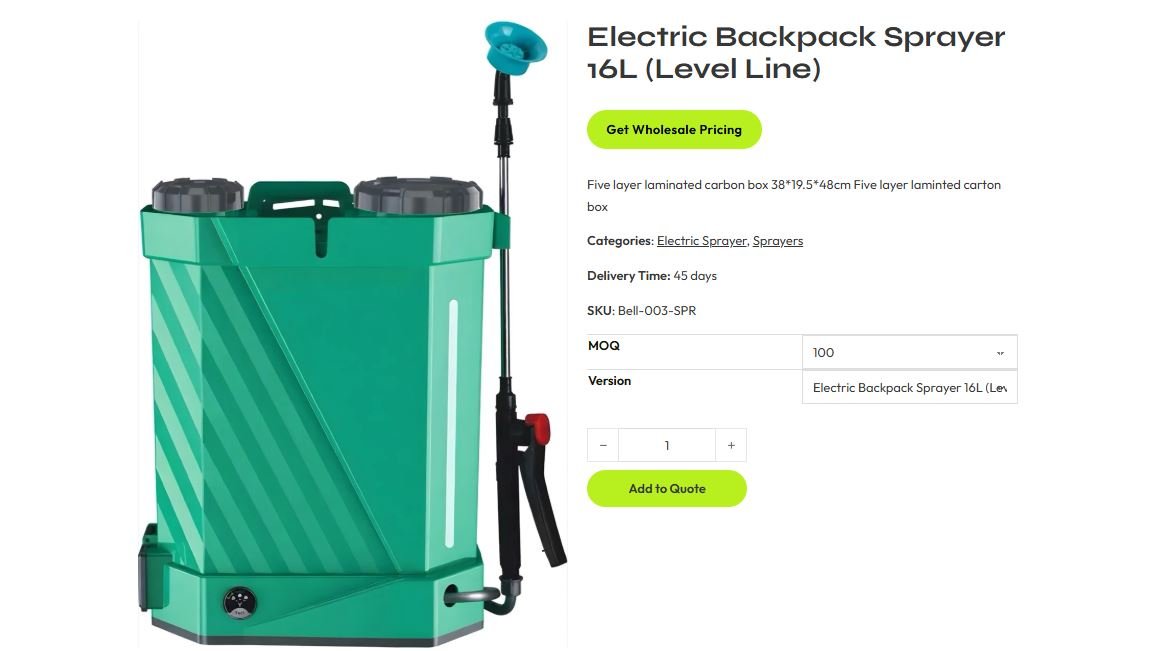
Check Our Electric Backpack Sprayer 16L
Questions You Might Have
Are Electric Sprayers Suitable for Large Farms?
Yes, high-capacity electric sprayers are great for extended use. They provide consistent pressure and reduce labor fatigue, making them a practical option for medium to large farms.
How Long Does an Electric Sprayer Battery Last?
Many electric sprayers operate for 4 – 8 hours per charge, depending on the battery capacity, spray pressure, and usage conditions. Lithium batteries typically offer longer life and faster charging.
Are Electric Sprayers Expensive to Maintain?
No, maintenance typically involves basic cleaning, battery care, and occasional seal replacement. Compared to fuel-powered sprayers, electric ones tend to have fewer failure points and lower long-term costs.
Can Electric Sprayers Handle Different Chemicals?
Yes, provided they use chemical-resistant materials. You should always verify compatibility with pesticides, herbicides, disinfectants, or fertilizers to avoid corrosion or seal damage.
Conclusion
Electric sprayers are battery-powered machines that come in various forms; they represent a clear shift toward efficiency, consistency, and operator comfort.
Agriculture, gardening, pest control, and sanitation are some industries where electric sprayers are perfect. They outperform manual alternatives in productivity and spray quality.
The real advantage comes from choosing the right specifications and sourcing from reliable manufacturers.
High-quality electric sprayers deliver long-term value with lower operating costs and better results in the field.