Manual and electric garden tools are both in demand in 2026, but they serve different buyers in different markets.
Manual garden tools lead in global volume, while electric ones are becoming more important in regulated markets as they offer specific benefits.
If you source gardening tools for retail or distribution, you might be wondering, “Should I lean on electric, double down on manual, or carry both?”
The global garden tools and equipment market is on track to reach $35.31 billion by 2033, and the split between manual and electric is shifting fast.
Getting your inventory mix wrong means leaving money on the table.
Manual vs Electric: Who Is Winning on Volume?
Manual tools still move the most units globally. They’re driven by affordability, simplicity, and widespread use in both residential and small-scale gardening.
The trend line is telling a different story. Power tools are projected to reach $66.3 billion by 2034, signaling a strong upward trend.
So manual wins on unit count. Electric wins on revenue growth. Both segments are expanding, which means opportunities on both fronts for wholesalers.
Why Manual Tools Are Not Going Anywhere
While electric tools have their pros, they’re not going to replace manual ones anytime soon, at least. The data does not support that idea.
The price gap is a key reason. For instance, the average selling price of electric mowers sits at $380, which is around 170% higher than that of manual reel mowers.
There is a persistent assumption that electric tools will replace manual ones. The data does not support that, at least not across all markets.
In practice, this makes a significant difference in emerging markets.
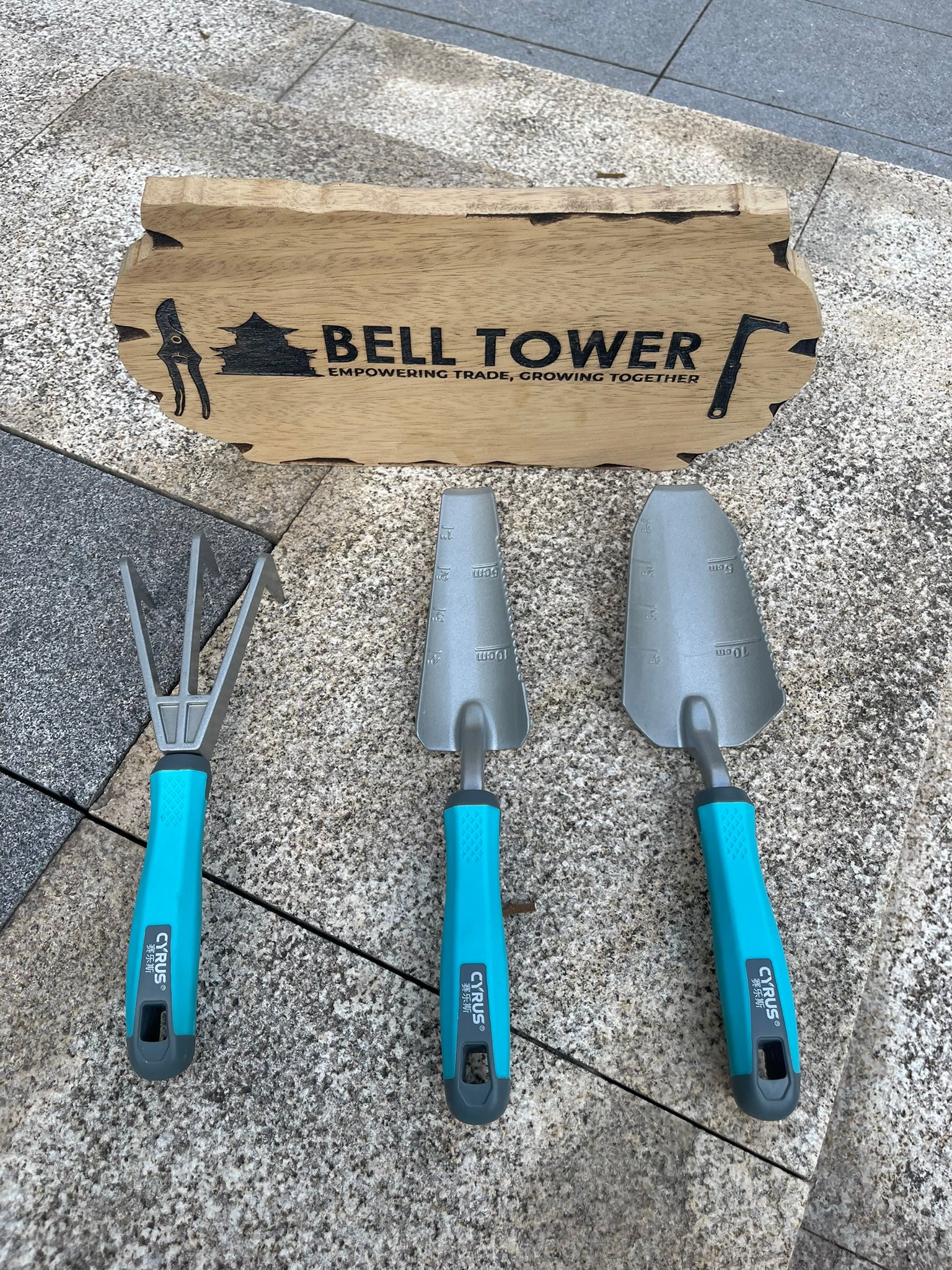
Manual tools also carry practical advantages that no battery can replicate:
- No charging or battery replacement costs
- Lightweight and easy to store
- Minimal maintenance beyond cleaning and sharpening
- Ideal for precision tasks like pruning, weeding, and transplanting
Why Electric Tools Are Growing So Fast
The electric shift is real in developed markets. Several factors are converging at once.
- Regulation is the Biggest Push Faster: Policies are expanding across Europe, pushing retailers to phase out gas-powered stock
- A Sustainable, Productive Solution: More consumers are now opting for electric-powered garden tools, driven by sustainable awareness, noise preferences, productivity, and ease of use
The Smart Sourcing Strategy: Stock Both and Bundle Well
The right catalog strategy is not to pick a side. It’s to build a portfolio that covers both segments.
A few things worth knowing as you plan:
- Hand Tools and Pruning Tools are a High-Volume Category: The hand tools segment accounts for a large portion of the global market, with pruning tools, trowels, and rakes driving the bulk of that demand
- Bundles and Sets are Strong Retail Performers: Vendors that offer bulk tool kits with appealing packaging tend to build their brand faster and sell more
- E-commerce is a Fast-Growing Distribution Channel: Online retail is projected to grow through 2030, driven by wider product selection, convenience, and gardening content. If your retail partners are building their online presence, a mixed manual and electric catalog makes them far more competitive
Bell Tower Co. supplies both manual and electric tools across all major categories, with low MOQs, OEM/private label options, and factory-direct pricing so you can build the right catalog for your market without over-committing on volume.
Manual vs Electric: Margins and Turnover Compared
This is a question many wholesale buyers do not ask early enough. Here is a practical comparison:
| Factor | Manual Tools | Electric Tools |
| Average unit price | Lower | Higher (up to 170% more) |
| Margin per unit | Lower | Higher |
| Turnover speed | Faster (especially in emerging markets) | Slower in price-sensitive markets |
| Replacement cycle | Frequent (wear and breakage) | Longer (durable battery life) |
| Best market fit | Asia, Latin America, Africa, Middle East | US, Europe, Australia, urban markets |
| Bundle potential | High (tool sets, kits) | Moderate (battery compatibility sets) |
Frequently Asked Questions
Are Manual Garden Tools Still Worth Stocking for Wholesale in 2026?
Yes, manual garden tools account for a large portion of the global garden tools market. They’re the top choice for precision tasks like pruning, weeding, and planting. For wholesale buyers serving a global retailer base, stocking manual tools is important.
What Is Driving the Growth of Electric Garden Tools in 2026?
Three main forces drive the growth of these tools: Stricter emissions regulations, consumer preference for quieter and more productive tools, and improvements in lithium-ion battery performance.
Which Regions Are Best for Sourcing Electric Garden Tools Wholesale?
North America and Europe are probably the best markets right now. People there buy battery-powered tools, and regulatory pressures are accelerating the transition from gas-powered to electric-powered.
Can I Source Both Manual and Electric Garden Tools From the Same Supplier?
Yes, and using one supplier for both simplifies procurement, reduces shipping complexity, and makes bundling easier for retail buyers. Bell Tower Co. supplies a full range of manual hand tools, pruning tools, hedge shears, and electric garden tools from our facility in Yiwu, China, with factory-direct pricing and flexible MOQs.
What Are the Best Garden Tool Categories to Stock for Retail?
Hand tools are growing in demand; these include pruning tools, trowels, and rakes. Garden tool sets and bundles are also strong retail performers. On the electric side, pruner shears, backpack sprayers, hedge trimmers, and tying machines are in demand.
Read More: Mistakes to Avoid as a B2B Gardening Tools Buyer
Manual vs. Electric Garden Tools: Conclusion
Although electric garden tools are getting more attention because of obvious reasons, manual ones aren’t going anywhere.
In fact, these tools are better suited for specific gardening use cases, like cutting and planting. They still carry a large portion of the market.
Electric tools are growing faster; they improve productivity and efficiency, commanding better prices, and becoming required inventory in regulated markets.
In 2026, the answer to “manual or electric” is simply: both, positioned correctly for the markets you serve.
If you are ready to build a catalog that covers both segments with factory-direct pricing, low MOQs, and flexible OEM options, request our full product catalog, and we will help you stock the right mix for your buyers.