TL;DR: Starting a garden center business can involve market research, a business plan, the right location, licenses and permits, a balanced product mix, and reliable suppliers. This guide walks through each step, including where plant licensing can come in and how to source garden tools and other hard goods for your shelves.
Learning how to start a garden center business can feel like a lot at first. You may be planning for live plants, garden tools, seasonal stock, and local customers all at once.
This guide breaks the process into clear steps. It covers planning, legal setup, product range, suppliers, and marketing, so you can see what can come first and what can follow.
Step 1: Research Your Local Market
Before signing a lease or ordering stock, it can help to learn who your customers could be. You can look at nearby homes, gardens, landscaping firms, and other garden retailers in your area.
A few questions can guide this research:
- Who could your customers be: home gardeners, landscapers, or both?
- Which garden retailers already operate nearby, and what do they sell?
- Are there gaps you can fill, such as a wider tool range or specialist plants?
Our 2026 gardening trends guide looks at trends that can shape which garden products retailers and wholesalers stock.
Step 2: Write a Business Plan and Estimate Startup Costs

A business plan can help you set goals, plan your spending, and present your idea to lenders or investors. The U.S. Small Business Administration’s business guide includes sections on writing a business plan, calculating startup costs, and funding your business.
For a garden center, startup costs can include land or rent, greenhouses or shade structures, shelving, a point-of-sale system, opening stock, staff, and marketing. Costs can vary by location and size, so building your own estimate can give you a clearer picture.
Step 3: Choose the Right Location
Location can affect foot traffic, visibility, and how much outdoor space you have for plants. A garden center can need room for display areas, customer parking, deliveries, and storage.
A site close to residential areas can make repeat visits easier for customers. Before committing, you can check local zoning rules to confirm that a garden center is allowed on the site.
Step 4: Register Your Business and Get Licenses
The SBA guide also includes sections on registering your business, applying for licenses and permits, and getting business insurance. Requirements can vary by country, state, and city.
Selling live plants can bring extra rules. Checking with your local agriculture department can show whether a similar license applies where you plan to open.
Step 5: Plan Your Product Mix
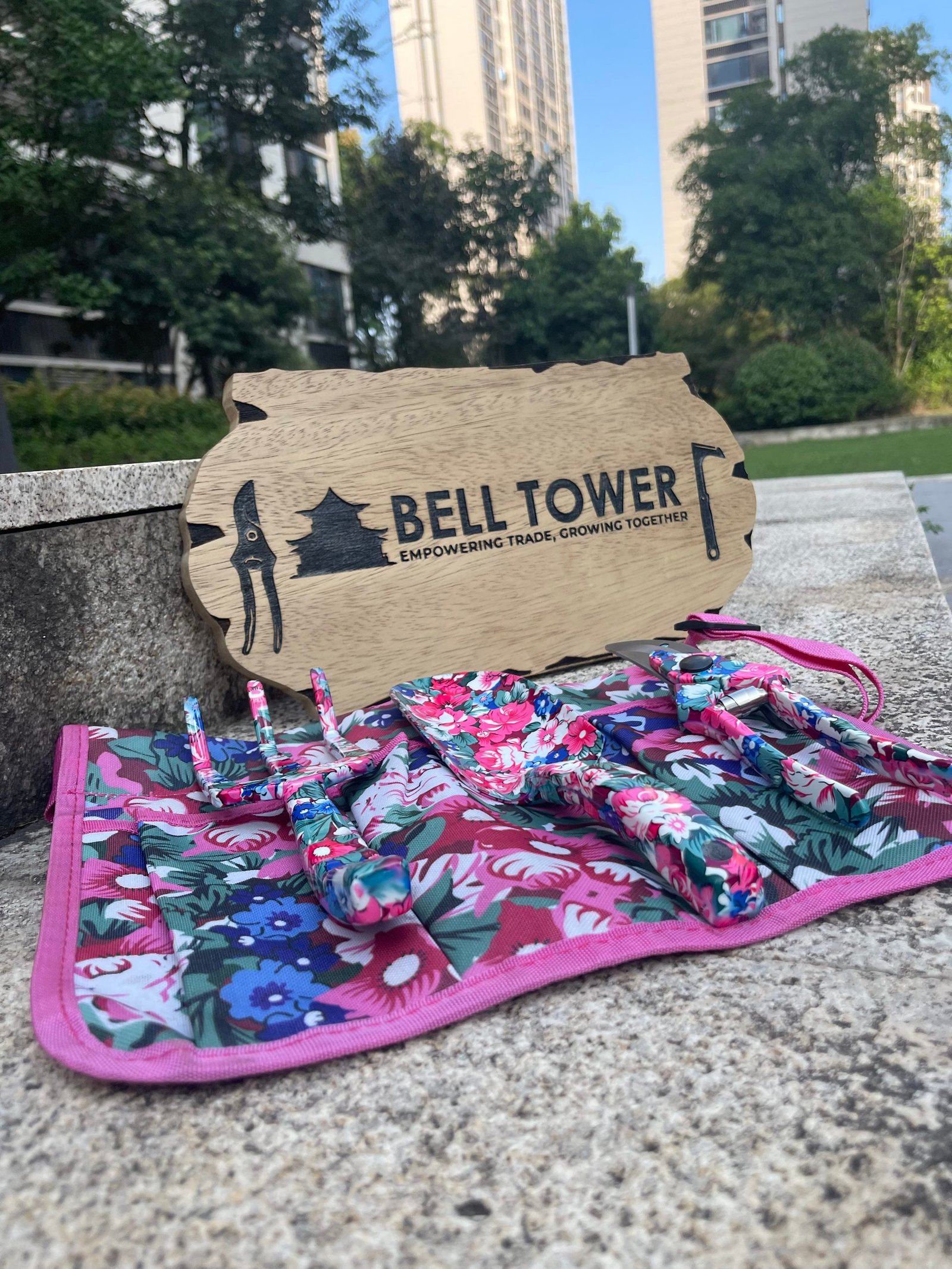
Garden centers can combine live plants with hard goods such as tools, planters, and supplies. A broader mix can help you serve customers across more of the year, not only during planting season.
Your tool range can include:
- Hand tools: trowels, cultivators, and weeders
- Pruning tools: pruning shears and loppers
- Tool sets: bundled kits for new gardeners
- Larger tools: rakes, spades, and long-handled tools
Our guides on garden tools for raised beds and manual vs. electric garden tools can help you compare tool categories before you place an order.
Step 6: Find Reliable Suppliers
Garden centers can work with separate suppliers for plants and hard goods. For tools, buying from a supplier in China can be one option to consider, especially if you plan to sell under your own brand.
Bell Tower is a supplier based in Yiwu, Zhejiang, China, offering wholesale gardening tools with private label and OEM options, custom packaging, and low minimum order quantities. You can browse our wholesale products to see the current range.
If you’re new to importing, our guide to FOB vs FCA for garden tool imports explains two common shipping terms. Our importing and exporting services page also covers bulk orders and OEM services.
Step 7: Market Your Garden Center
Local customers can search online for garden centers nearby, so a Google Business Profile and a simple website can help people find you. Seasonal events, workshops, and social media posts can also bring in visitors. Working with local landscapers or garden clubs can help spread the word too.
Final Thoughts
Starting a garden center business can take careful planning, from research and licensing to stocking the right products. Taking each step in order can make the process easier to manage. If you’re planning your tool range, you can contact our team for wholesale pricing on garden tools, tool sets, and custom packaging.
Questions You Might Have
Do you need a license to open a garden center?
You may need a general business license, and some places can also require a specific license to sell live plants. You can check with your local authorities for the rules that apply to you.
What does a garden center sell?
A garden center can sell live plants, seeds, soil, planters, garden tools, and seasonal supplies. Some can also offer services such as garden design advice.
What is the difference between a garden center and a nursery?
A nursery can focus mainly on growing plants, while a garden center can sell plants alongside tools, supplies, and other garden products.
Where can a garden center buy garden tools wholesale?
Garden centers can buy tools from local distributors, importers, or suppliers overseas. Comparing minimum order quantities, lead times, and packaging options can help you choose.