TL;DR: Mixed-container consolidation lets a garden tool importer fill a single 20′ or 40′ container with product from several suppliers instead of paying LCL rates on each small shipment. This post covers how consolidation actually works, when it makes financial sense, the process step by step, common cost mistakes, and how Bell Tower coordinates multi-supplier loads from Zhejiang.
If you buy garden tools from more than one source in China, the shipping decision gets messy fast. A hand-tool set from one workshop, a batch of sprayers from another, and a pallet of hedge shears from a third can each ship LCL, but every shipment attracts its own port fees, its own bill of lading, and its own destination handling charges. Mixed-container consolidation is how experienced importers get around that. One container. One bill of lading. Multiple suppliers, loaded and sealed at a single hub in China before the container leaves the port. This post explains how it works, when it beats LCL and standalone FCL, the process step by step, and where the cost math usually goes wrong.
What Mixed-Container Consolidation Actually Is
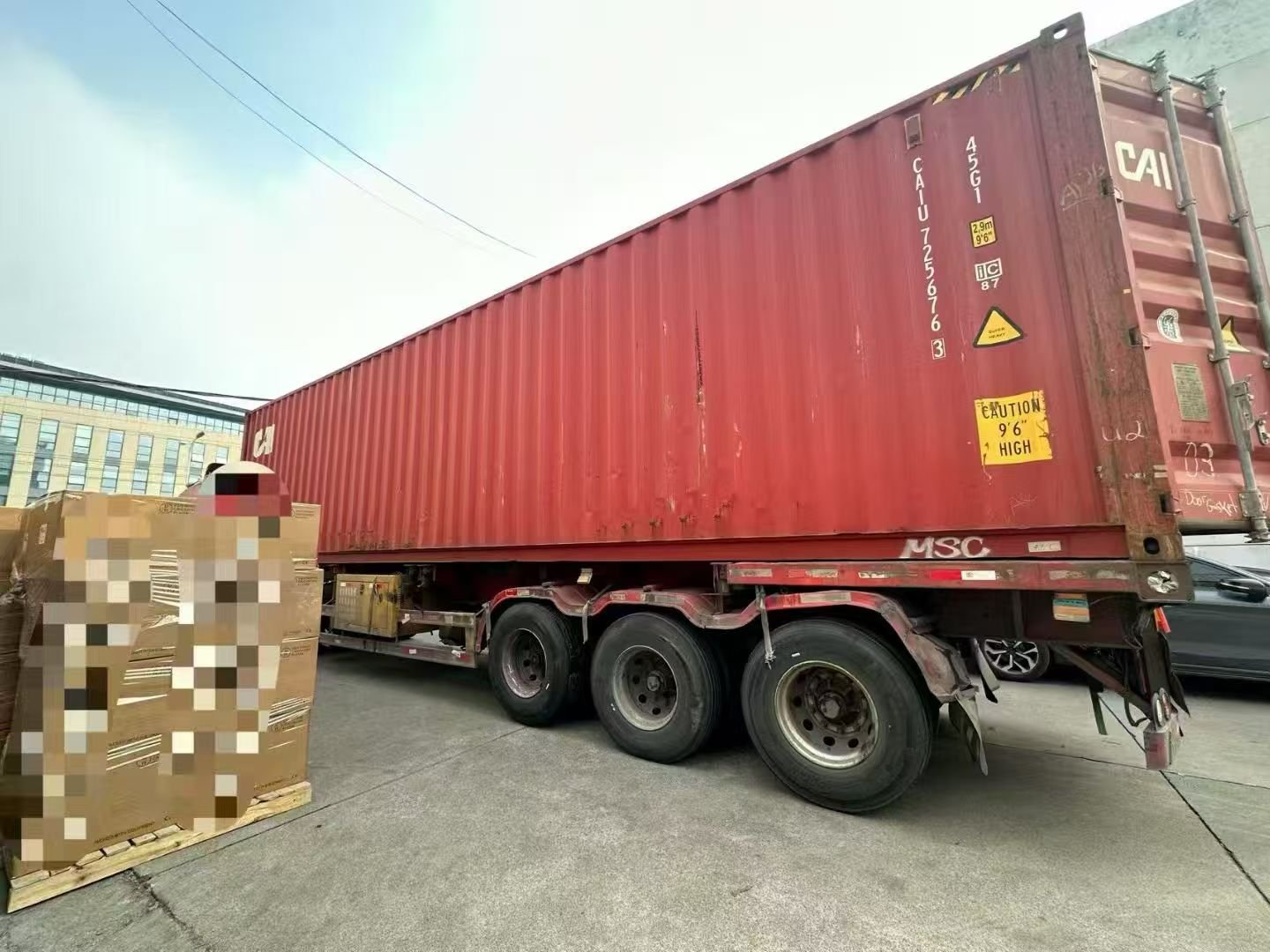
Consolidation is the practice of combining cargo from several suppliers into one container before export. The container is loaded at a single warehouse in China, sealed once, and shipped as a single Full Container Load (FCL) on one bill of lading, under an Incoterm agreed with your supplier. This is different from LCL (Less than Container Load), where your cargo is loaded alongside other consignees’ freight by the shipping line at a Container Freight Station.
When Consolidation Makes Sense
The rough decision framework:
- Under 5 CBM total: LCL is usually cheapest. Consolidation overhead is not worth it.
- 5 to 15 CBM total: LCL is still competitive, but check consolidated FCL because destination handling can flip the math.
- 15 CBM or more: consolidated FCL is nearly always cheaper per unit than LCL, and much simpler at the destination.
- Multiple suppliers, any volume: consolidation can reduce documentation, port fees, and coordination costs even at moderate volume.
For many garden tool importers buying hand tools, sprayers, and power tools from more than one source, consolidation can pay back once the total load approaches filling a 40′ container.
How the Process Works Step by Step
A consolidated container from China follows a standard sequence (More or less):
- Purchase orders. POs are placed with each supplier against a shared ship-ready date.
- Ex-works pickup. A local trucker collects finished cargo from each supplier’s factory.
- Hub delivery. Cargo arrives at a single consolidation warehouse.
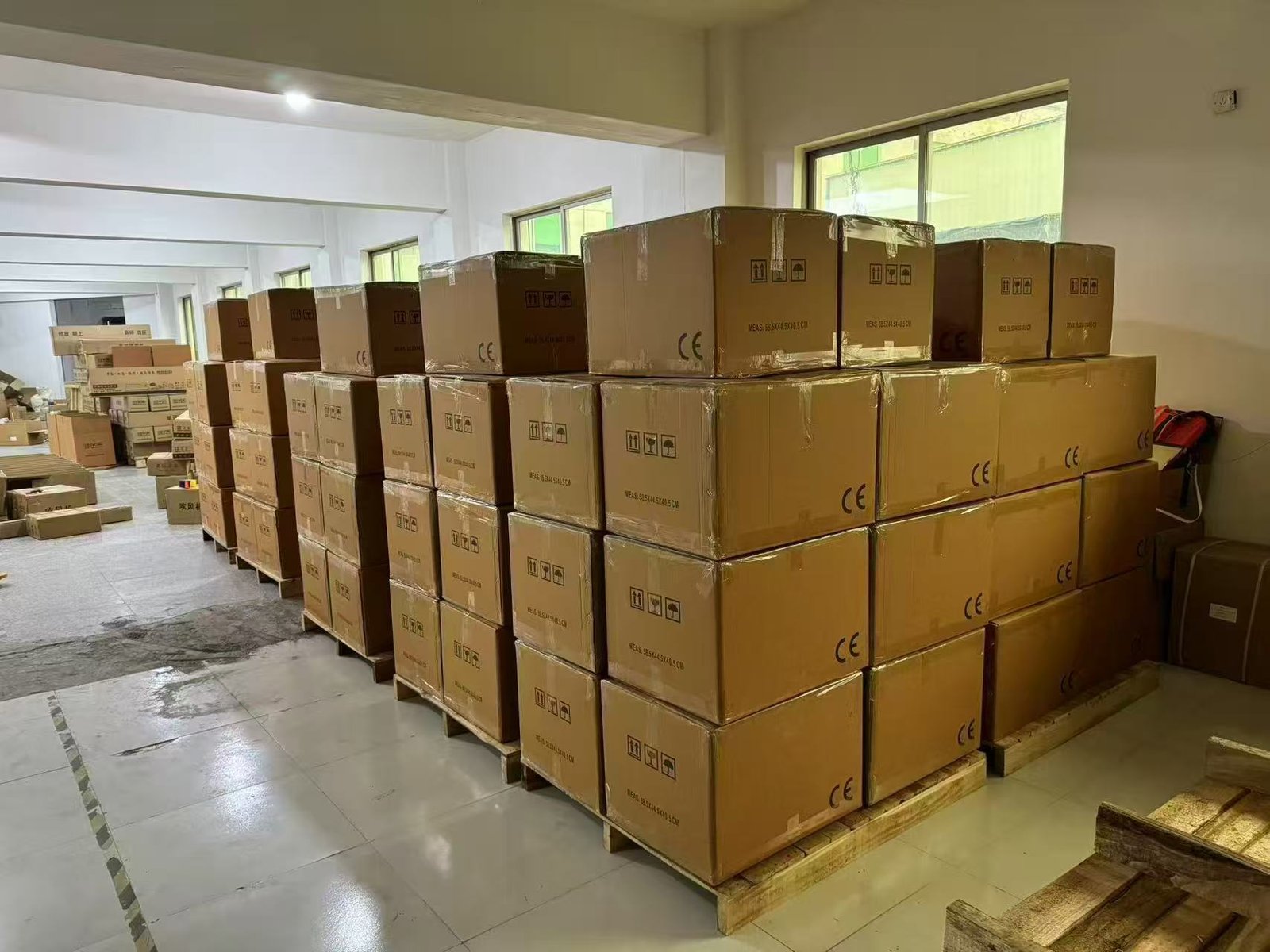
- Inspection and repacking. Cartons are checked, counted, and, where needed, palletized or reinforced. This is the moment to catch labelling or packaging errors before sealing. Our guide on quality control when importing garden tools covers this step in more detail.
- Container loading. The warehouse team plans the load for weight distribution, damage protection, and space efficiency.
- Sealing and export. The container is sealed with a numbered bolt seal, documented, and exported as one FCL shipment.
- Ocean freight and destination clearance. A single bill of lading, a single customs entry, a single delivery to your warehouse.
The hub-to-vessel process can add 5 to 10 days on top of production lead time.
Cost Math for Garden Tool Importers
The savings come from three places:
- Fewer LCL destination charges. LCL shipments carry a Container Freight Station unpacking fee at destination that applies to every bill of lading. One consolidated FCL bill replaces several.
- Predictable per-CBM cost. FCL is priced per container, not per cubic metre. Once the container is around 70% full, adding more cargo effectively costs handling only.
- One customs entry, not many. Every separate shipment triggers its own broker fees and clearance charges. Consolidation collapses those into one.
The Incoterm you agree to also affects who pays for the trucking and warehouse handling before the container is sealed.
Read More: FOB vs FCA for garden tool imports
What Can Go Wrong (and How to Avoid It)
Three consolidation problems to be aware of:
- Mismatched ship-ready dates. One supplier is 10 days late, and the whole container waits. Fix: set a firm shared cut-off date and quote each supplier accordingly.
- Weak carton labelling. Multi-supplier loads need clear carton marks, or the destination warehouse spends hours sorting. Fix: agree a shipping mark format upfront and check it at hub receipt.
- Poor load planning. Sprayers stacked under dense hand-tool cartons arrive dented. Fix: instruct the consolidation warehouse on stacking order and require photos of the loaded container before sealing.
A consolidation partner who runs QC at hub receipt can catch most of these before the container is sealed.
How Bell Tower Handles Consolidation
Bell Tower Co. has operated from Zhejiang since 2014, sourcing garden tools, agricultural equipment, power tools, and sprayers factory-direct for wholesale buyers across Europe and the Balkans.
Because we work with multiple vetted factories in the region, we can coordinate a mixed container from several sources under a single purchase order and a single bill of lading.
Our consolidation service includes cargo pickup from each supplier, QC inspection at hub receipt, palletizing and reinforcement where needed, and load planning for weight distribution and damage protection.
Standard terms are a $5,000 minimum order and 30/70 T/T.
Ready to Consolidate Your Next Container?
If you are planning a mixed order across several product lines and want a single consolidated shipment from Zhejiang, contact Bell Tower for a quote with your product mix and destination port. Our team will come back with a load plan, freight estimate, and lead time for the full container.